Microplastics are no longer only an environmental problem outside us. They have been detected in the human body, while research continues into their possible effects on human health, other species and ecosystems. Plastic has become so deeply embedded in everyday life that consequences of its degradation often remain invisible.
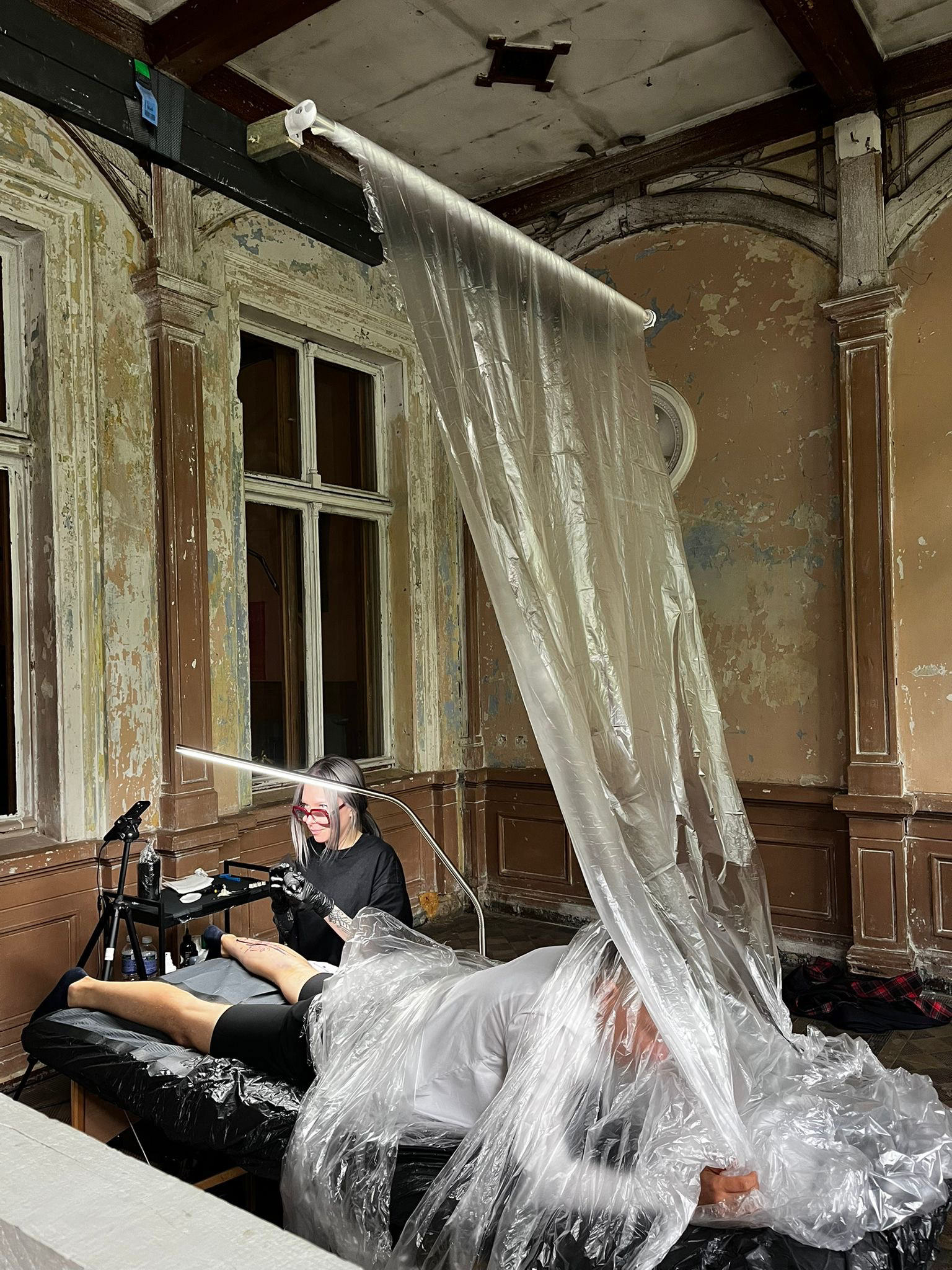
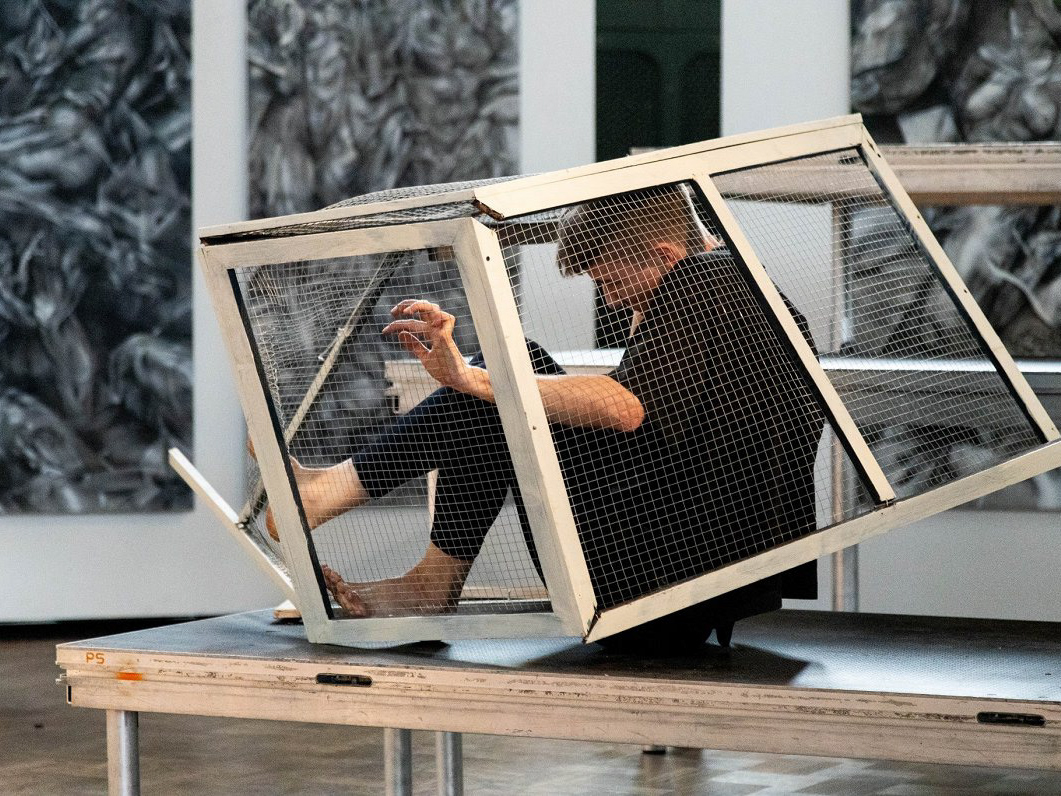
In The Cost of Convenience, this invisible accumulation was made physical through my own body. During the performance, tattoo artist Grieta Butjankova created a permanent mark on my skin — a symbolic trace of microplastic placed beneath it. While being tattooed, I continuously read fragments from scientific research on microplastics: their presence in human and animal bodies, possible health effects, their impact on soil, plants and biodiversity, and the wider consequences of plastic consumption.
At intervals, I wrapped my body in additional layers of plastic film. What began as something transparent and almost unnoticed gradually became physically overwhelming. The performance brought together two processes: visible plastic accumulating around the body and an irreversible mark remaining beneath the skin. It asked what happens when a material created for convenience can no longer be kept outside ourselves.
The work was developed with the support of the FRESH START Nordic/Baltic programme for performance art festival Starptelpa, Riga, 2025.
Mikroplastmasa vairs nav tikai vides problēma ārpus mums. Tā ir konstatēta arī cilvēka organismā, un joprojām tiek pētīta tās iespējamā ietekme uz cilvēka veselību, citām sugām un ekosistēmām. Plastmasa ir kļuvusi par tik pašsaprotamu ikdienas sastāvdaļu, ka tās noārdīšanās sekas bieži paliek neredzamas.
Performancē The Cost of Convenience šo neredzamo uzkrāšanos organismos es padarīju fizisku, izmantojot savu ķermeni. Performances laikā tetovēšanas māksliniece Grieta Butjankova uz manas ādas izveidoja paliekošu zīmi — simbolisku mikroplastmasas nospiedumu zem ādas. Kamēr mani tetovēja, es nepārtraukti lasīju fragmentus no zinātniskiem pētījumiem par mikroplastmasu: tās klātbūtni cilvēku un dzīvnieku organismos, iespējamo ietekmi uz veselību, augsni, augiem un bioloģisko daudzveidību, kā arī plašākām plastmasas patēriņa sekām.
Ik pa laikam es ietinu savu ķermeni arvien jaunās plastmasas plēves kārtās. Tas, kas sākumā bija caurspīdīgs un gandrīz nemanāms, pakāpeniski kļuva fiziski nomācošs. Performancē sastapās divi procesi — redzama plastmasas uzkrāšanās ap ķermeni un neatgriezeniska zīme zem ādas. Darbs uzdeva jautājumu: kas notiek brīdī, kad materiālu, kas radīts mūsu ērtībām, vairs nav iespējams noturēt ārpus mums pašiem?
Darbs tapis ar FRESH START Nordic/Baltic programmas atbalstu performances mākslas festivālam Starptelpa Rīgā 2025. gadā.
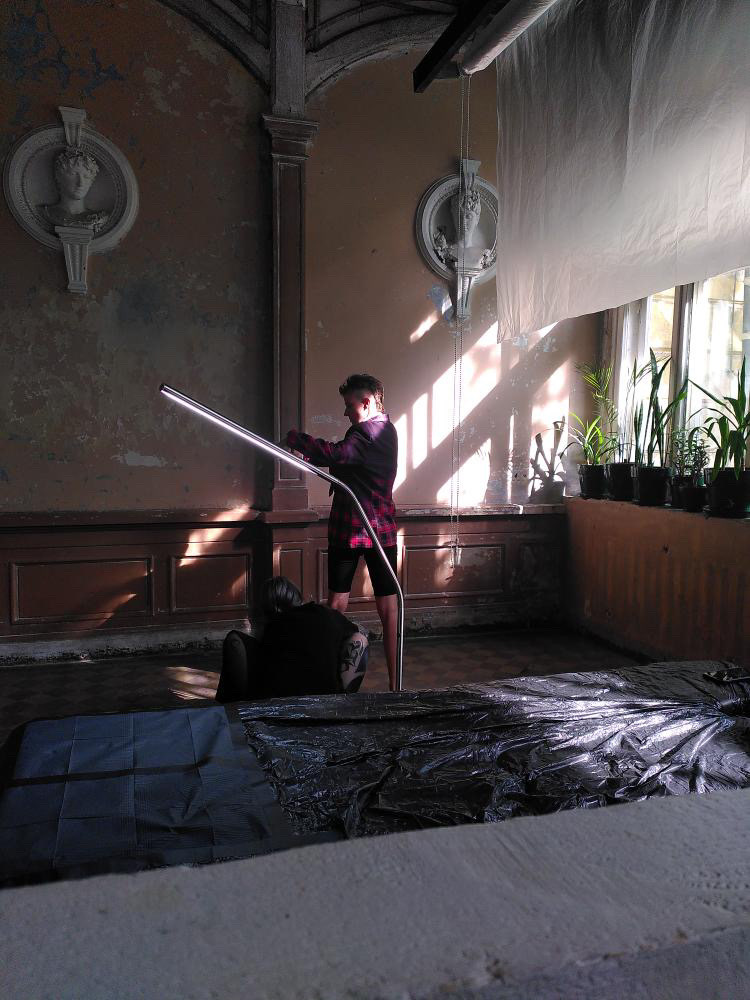
Photo: Ruth Zadow
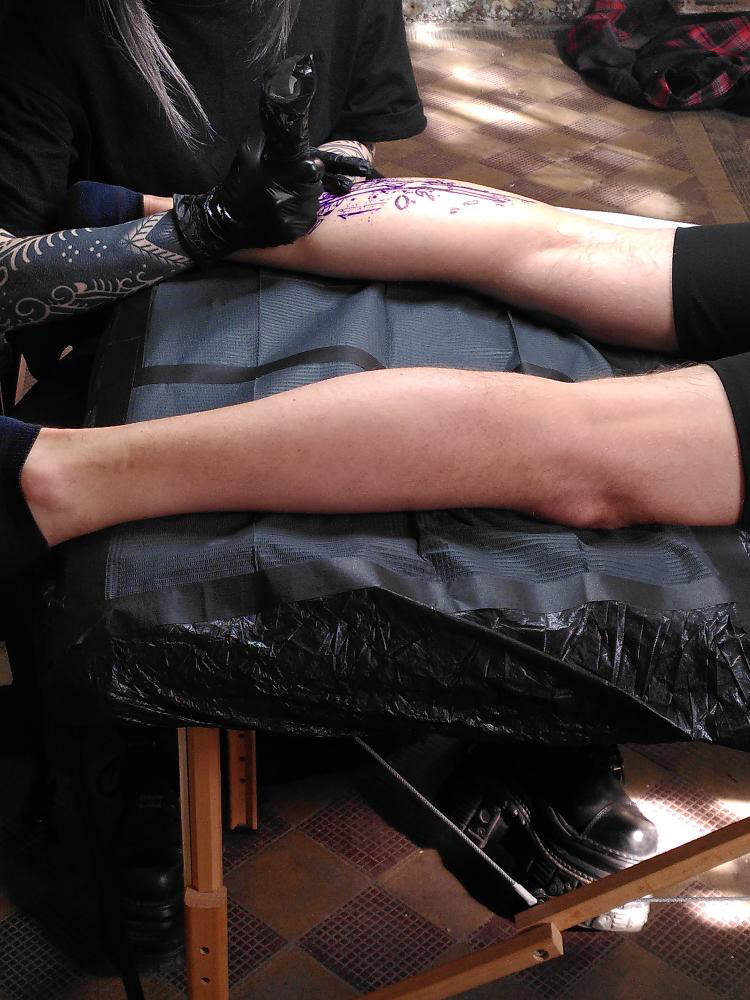
Photo: Ruth Zadow
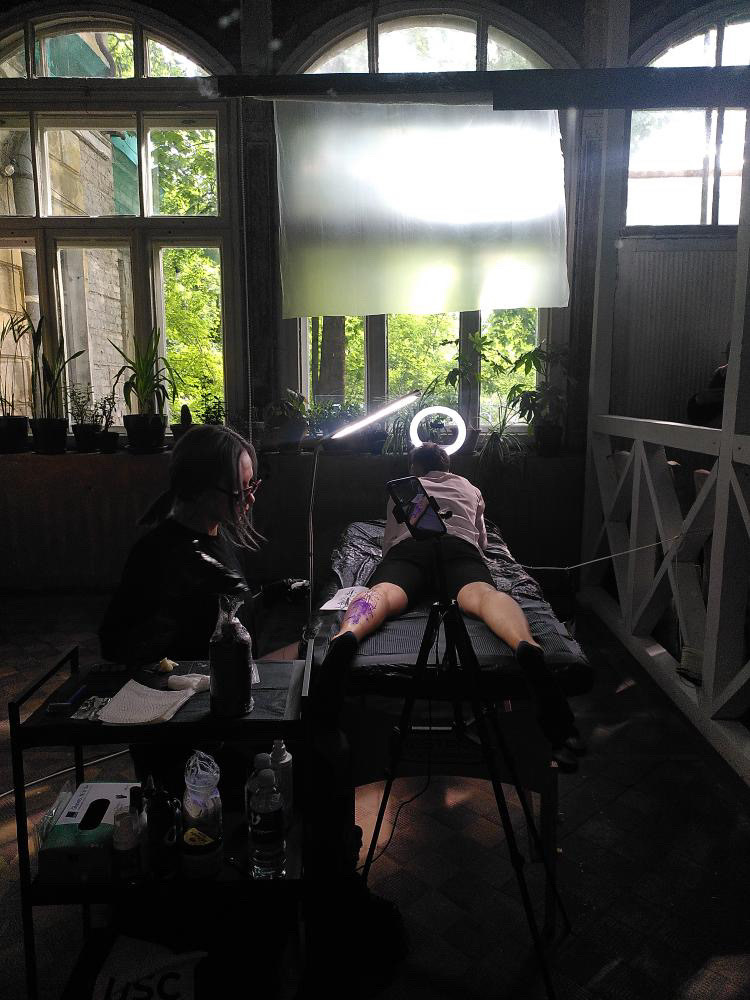
Photo: Ruth Zadow

Photo: Kristaps Dubļāns

Photo: Laura Feldberga

Photo: Laura Feldberga

Photo: Laura Feldberga

Photo: Kristaps Dubļāns

Photo: Laura Feldberga